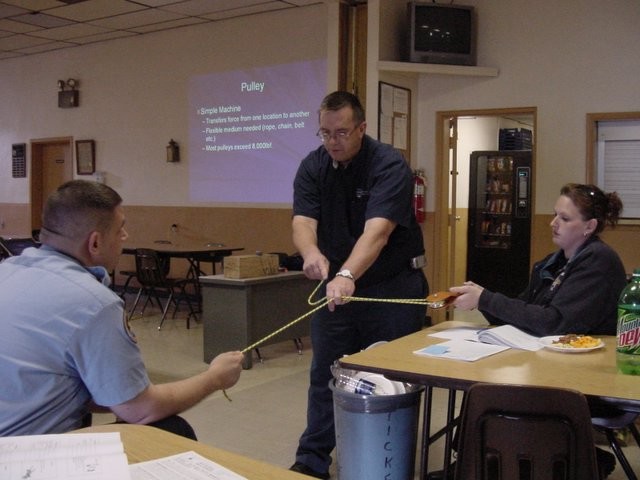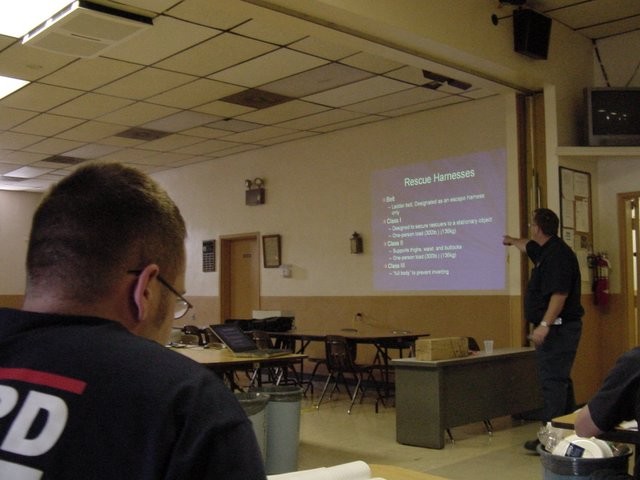
The first part of the class was a powerpoint presentation
|
|
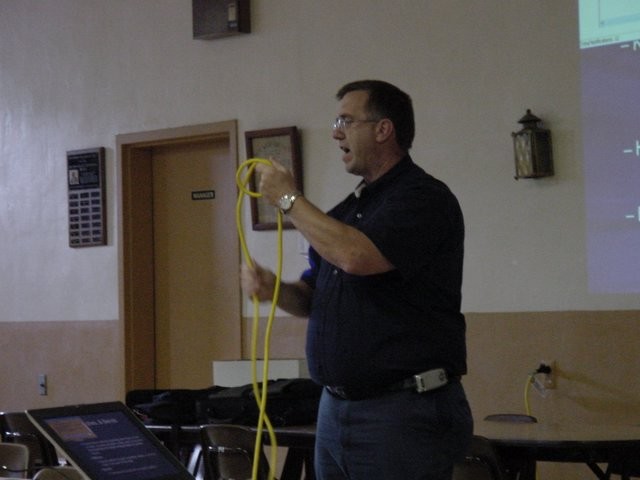
Lead Instructor Grunmeier reviews ropes
|
|
| |
|
|
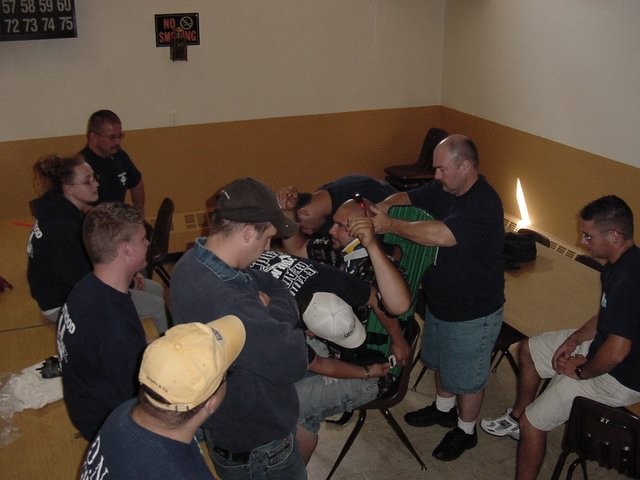
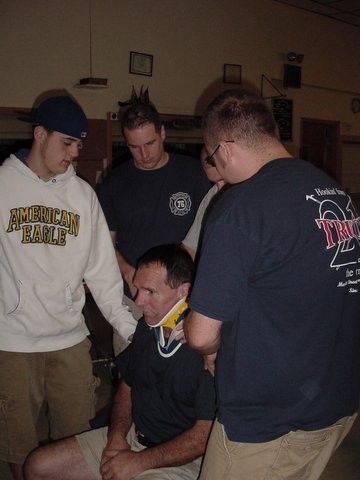
Firefighter Axe holds spinal stabilization while Firefighter Brandon Fryberger is immobilized with a KED device
|
|
| |
|
|
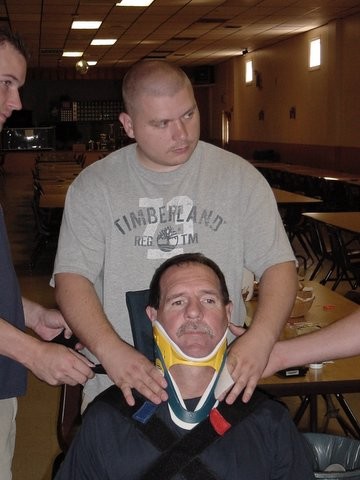
EMS Chief McWilliams holds stabilization on Assistant Chief Taylor
|
|
| |
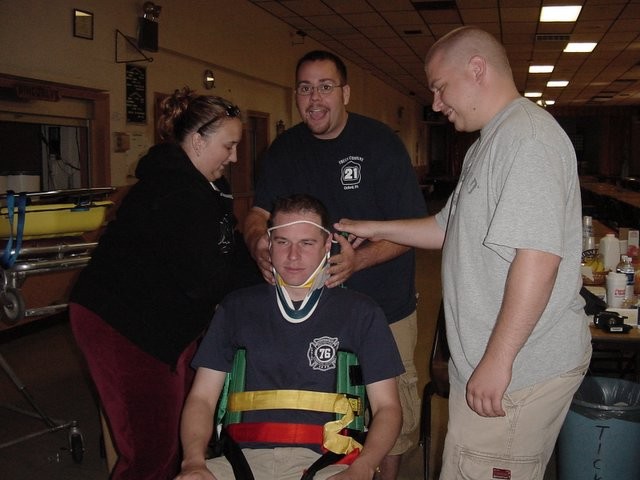
Chief Sly being immobilized
|
|
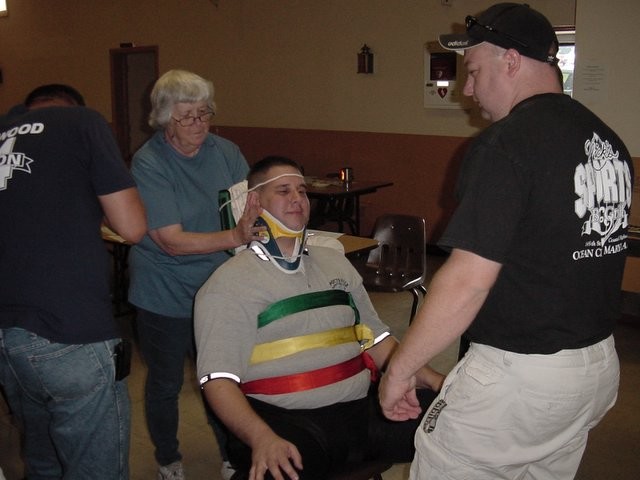
EMT Mays holds immobilization while Firefighter/Paramedic Faryniak is placed into a KED device
|
|
| |
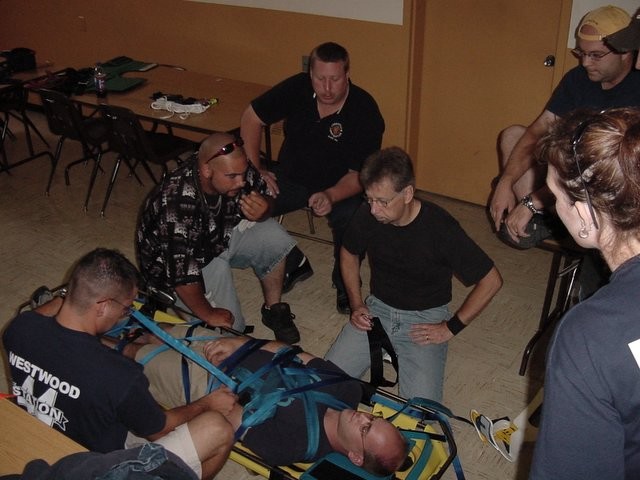
Rescue Captain Criswell packages Firefighter/EMT Kellon into the stokes basket
|
|
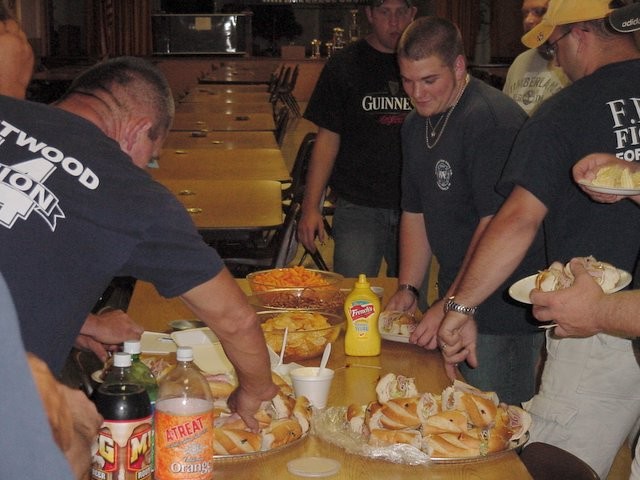
Break time! A very important part of the day
|
|
| |
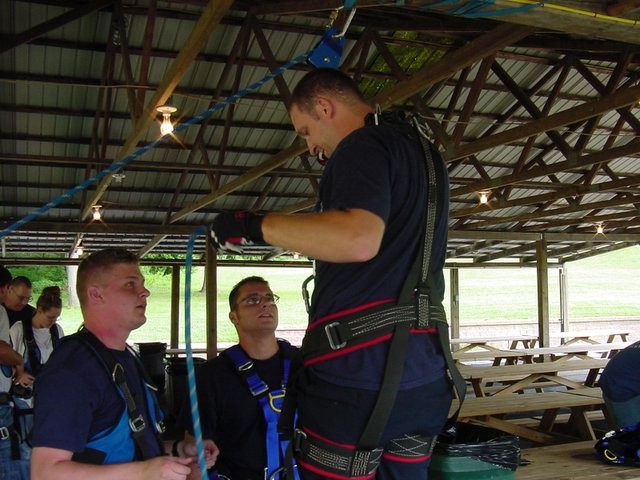
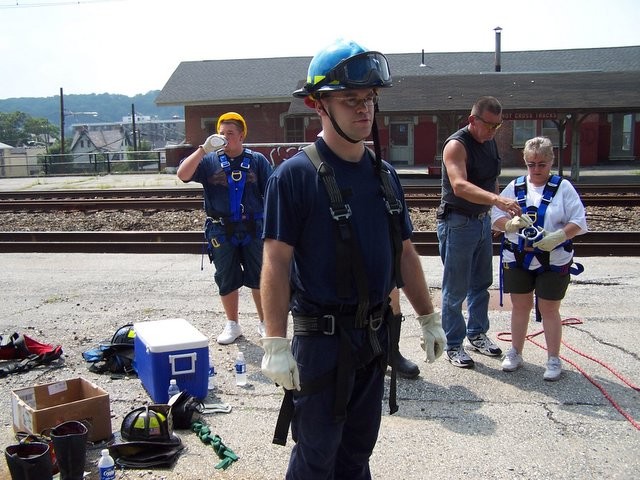
Firefighter/EMT March sets up his pulley system at our firehouse pavillion to prepare for rappeling
|
|
|
| |
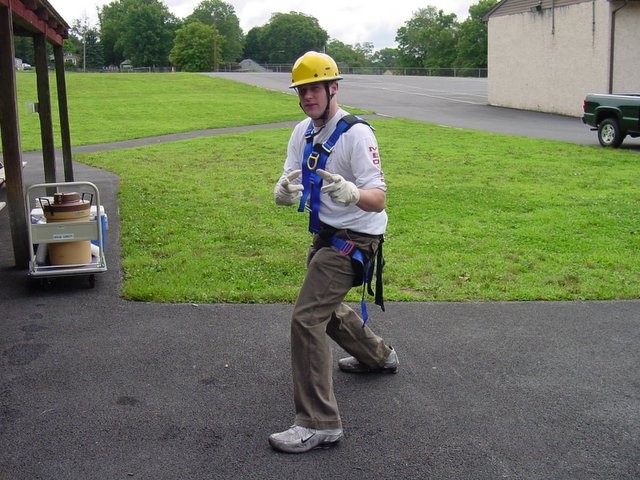
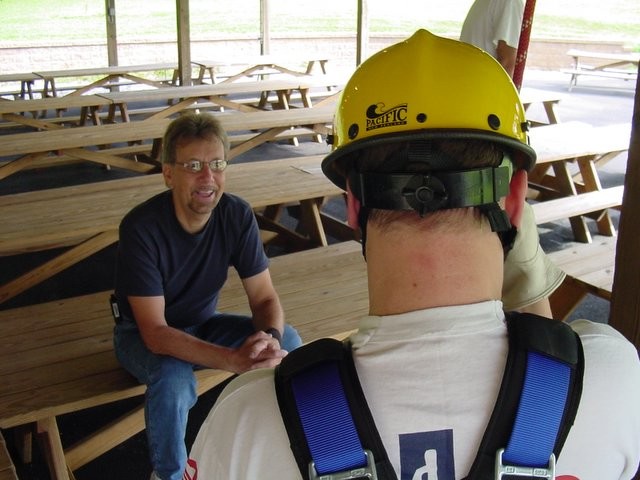
I'm ready
|
|
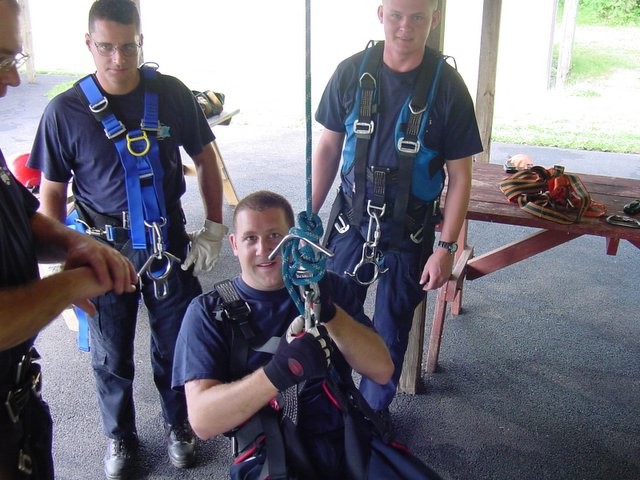
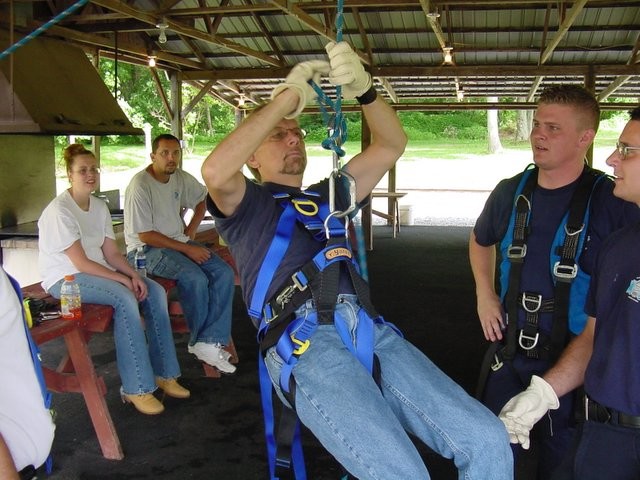
Firefighter/EMT March demonstrating a tie off
|
|
| |
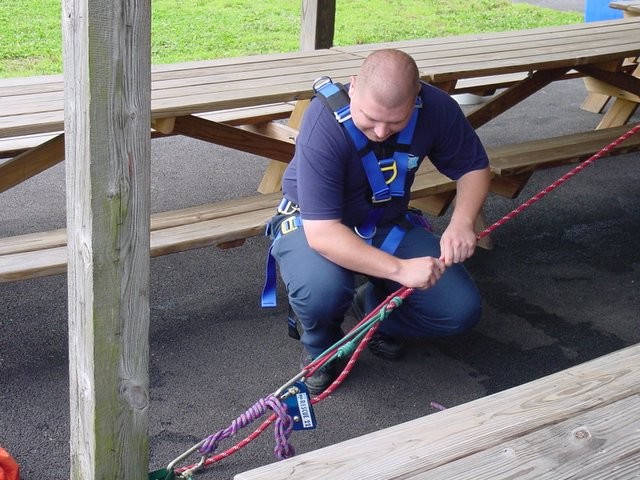
EMS Chief McWilliams sets up a "Wrap 3, Pull 2" at the anchor point
|
|
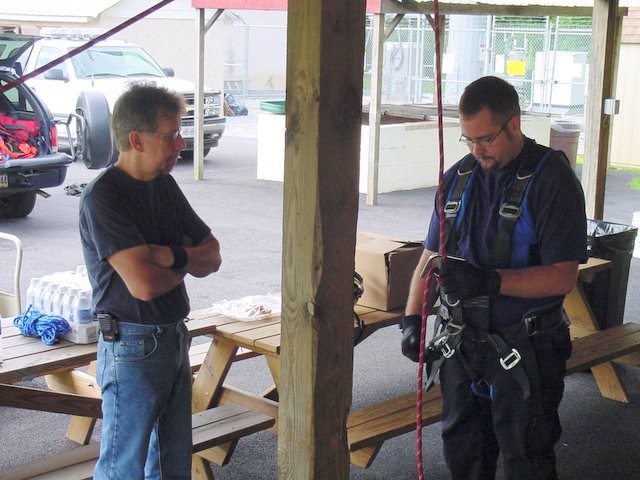
Rescue Captain Criswell and Firefighter/EMT Grossman discussing our harnesses
|
|
| |
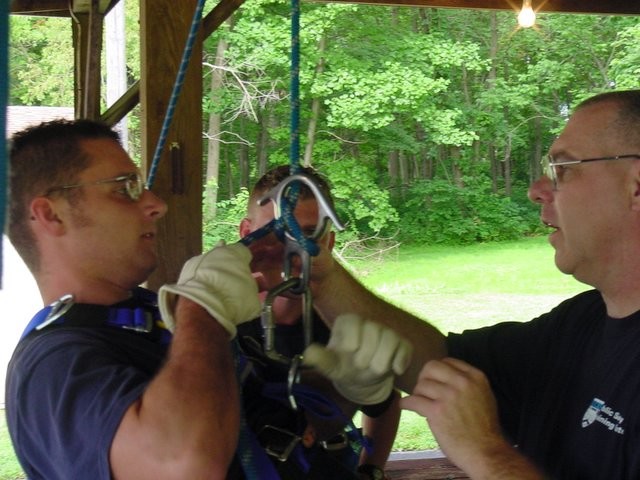
Firefighter/EMT Kubala tying off on a rescue eight
|
|
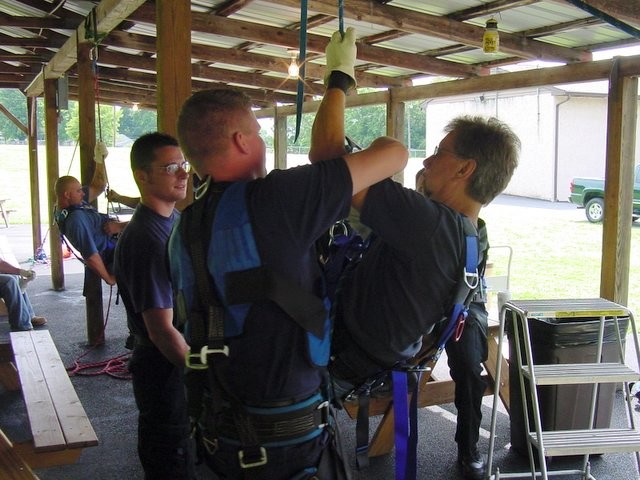
Captain Gathercole assists Rescue Captain Criswell with the tie off
|
|
| |
|
|
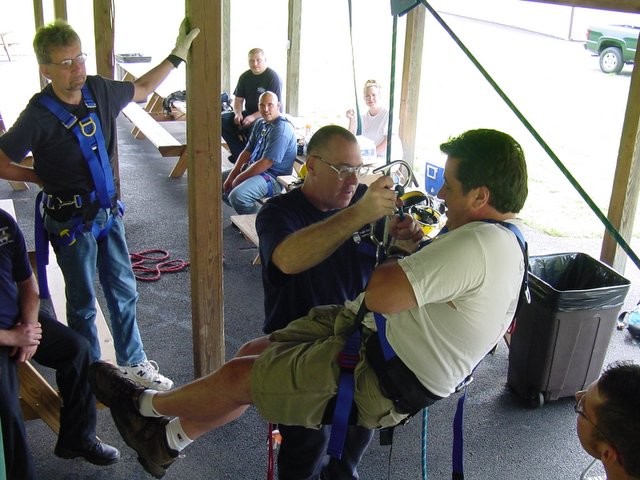
Deputy Chief DiLuigi practices before we rappel
|
|
| |
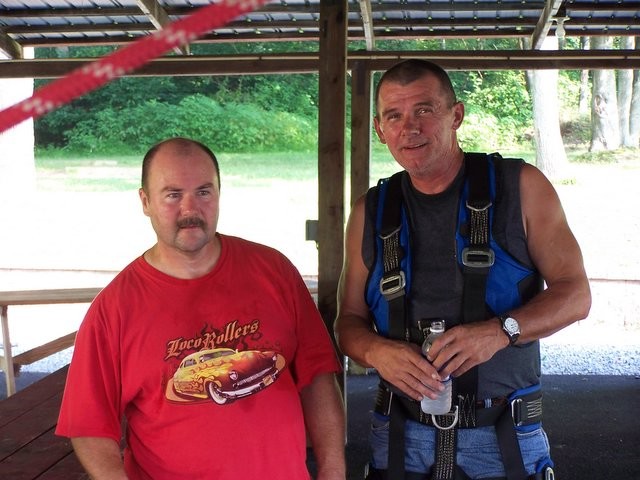
Firefighter Axe and Chief Engineer Wharton getting ready to harness up!
|
|
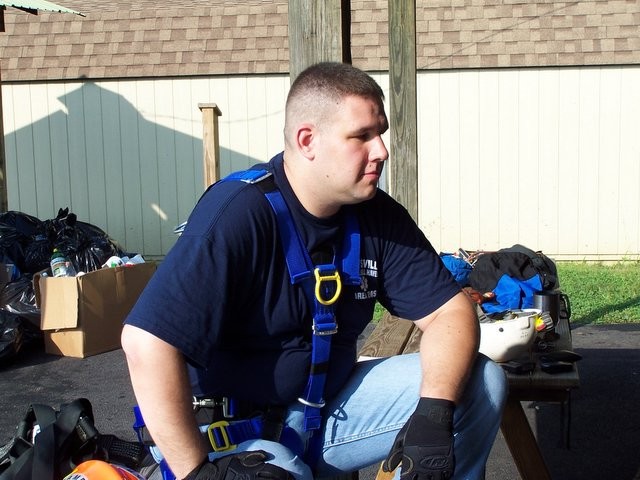
Firefighter/Paramedic Faryniak
|
|
| |
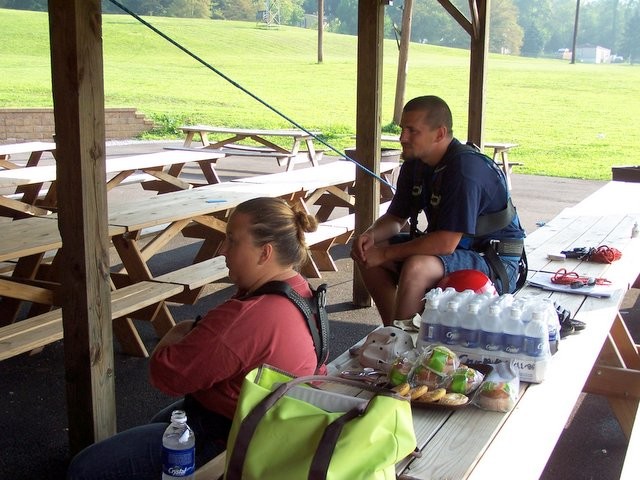
EMT Swick and Firefighter/EMT Trainor
|
|
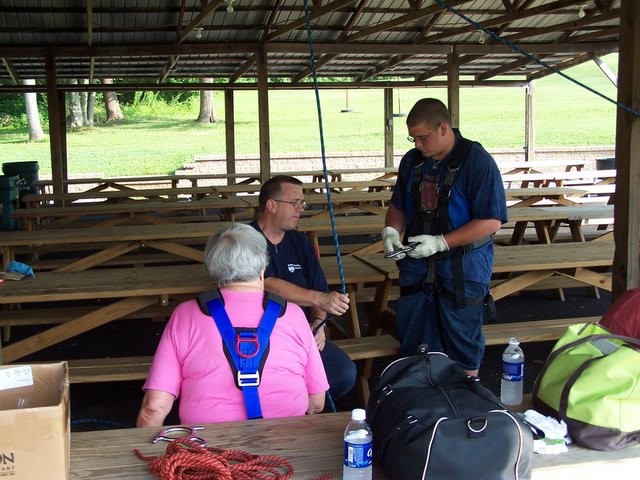
Instructor Grunmeier teaching Junior Firefighter Swick while EMT Mays looks on
|
|
| |
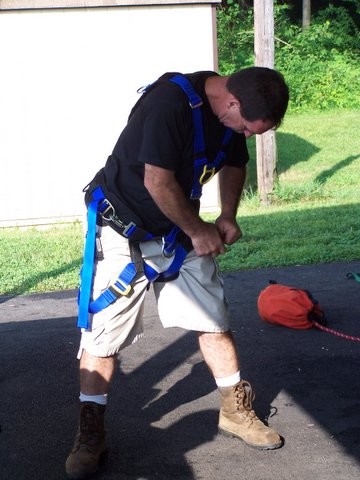
Assistant Chief Taylor donning his harness
|
|
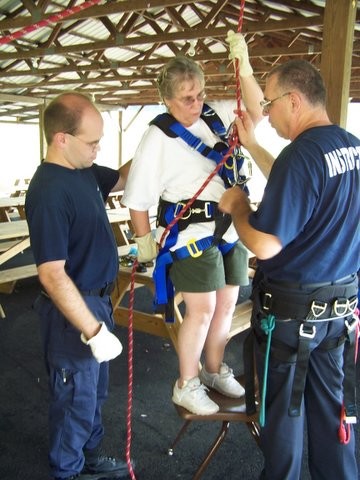
EMT Miller prepares to tie off
|
|
| |
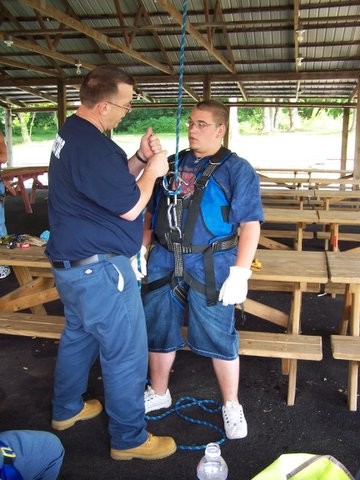
Junior Firefighter Swick getting the feel of the harness
|
|
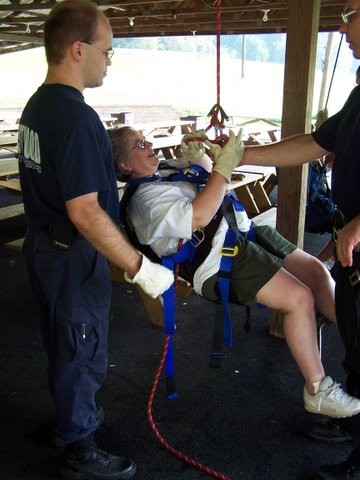
EMT Miller now tied off!
|
|
| |
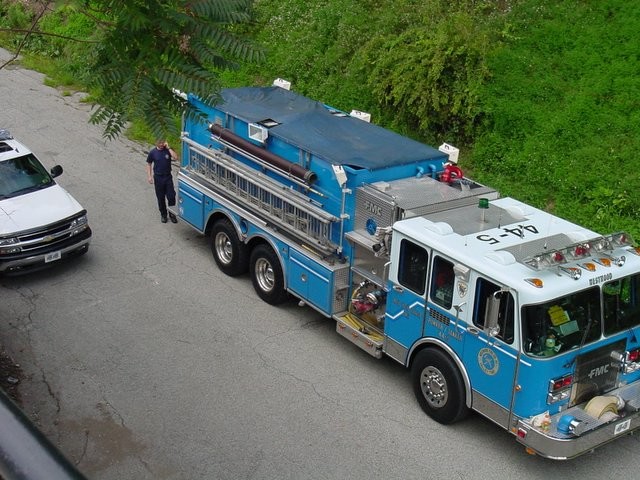
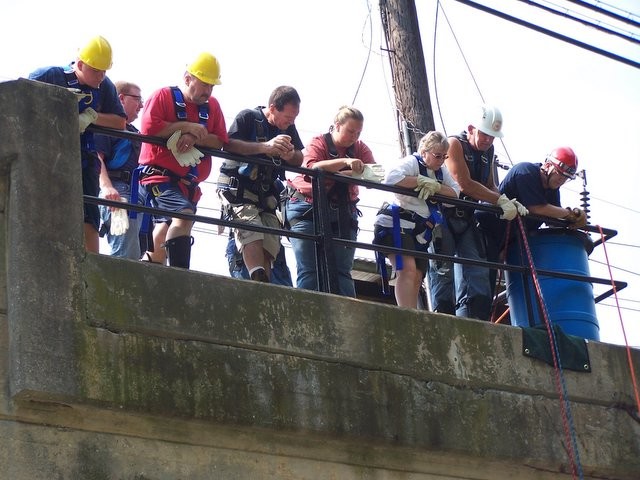
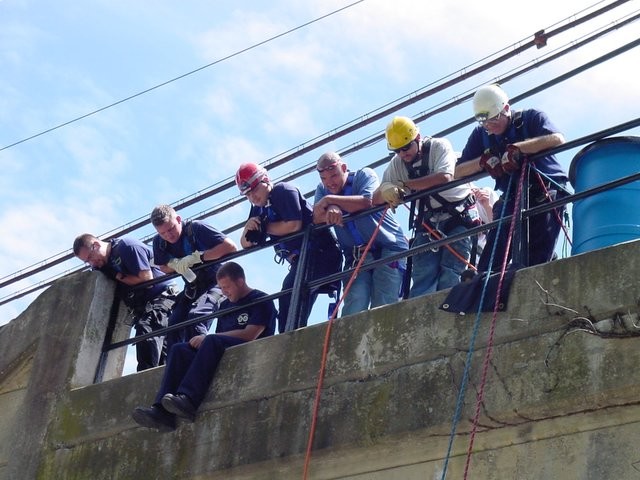
Arriving at the Coatesville Train Station to do some rappeling off the bridge
|
|
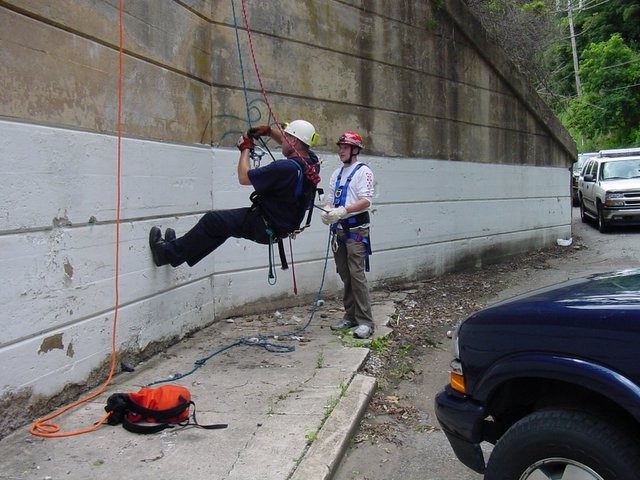
Instructor McGinnis begins with the first decent and shows everyone what we need to accomplish
|
|
| |
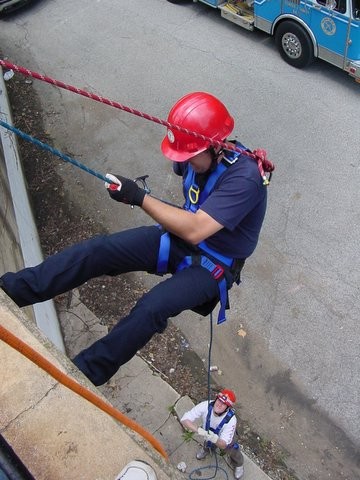
Firefighter/EMT March begins his decent
|
|
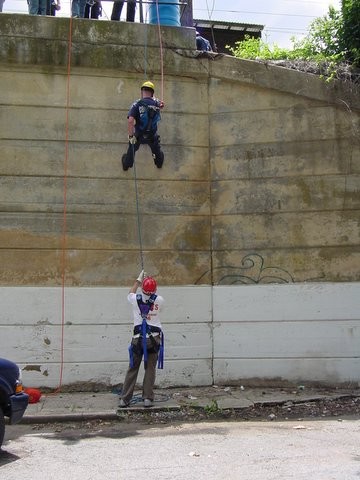
Captain Gathercole rappels down the wall
|
|
| |
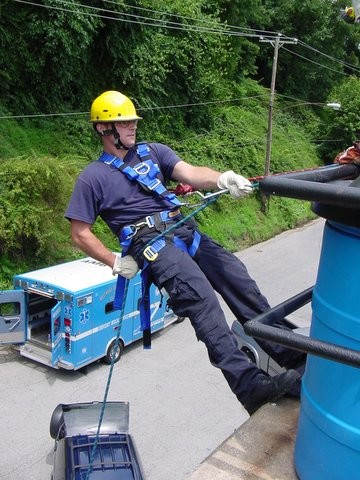
Firefighter/EMT Kubala
|
|
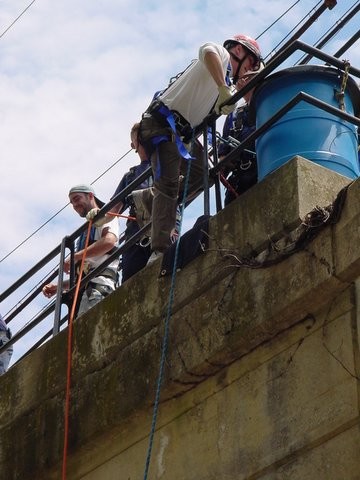
The Fire Chief having trouble just getting over the railing
|
|
| |
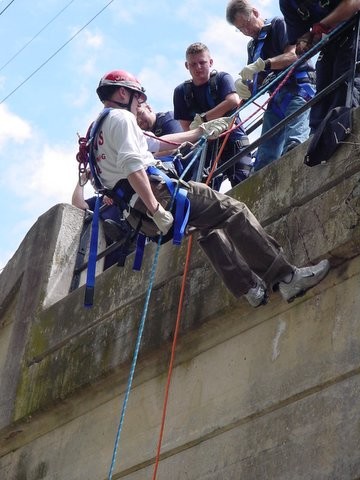
Chief Sly beginning his decent
|
|
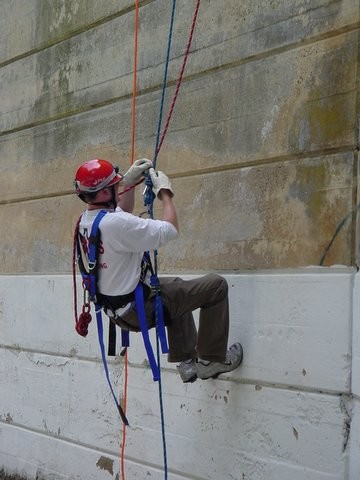
Tying off
|
|
| |
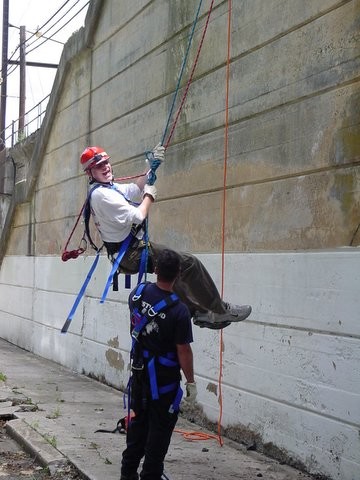
No problem!
|
|
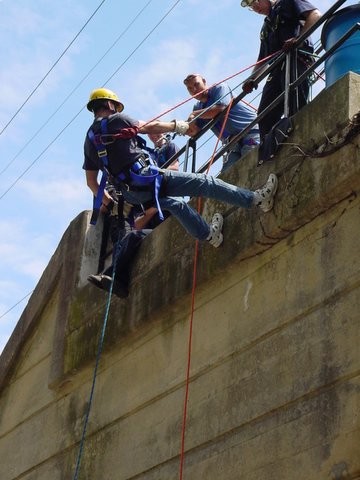
Rescue Captain Criswell begins to rappel
|
|
| |
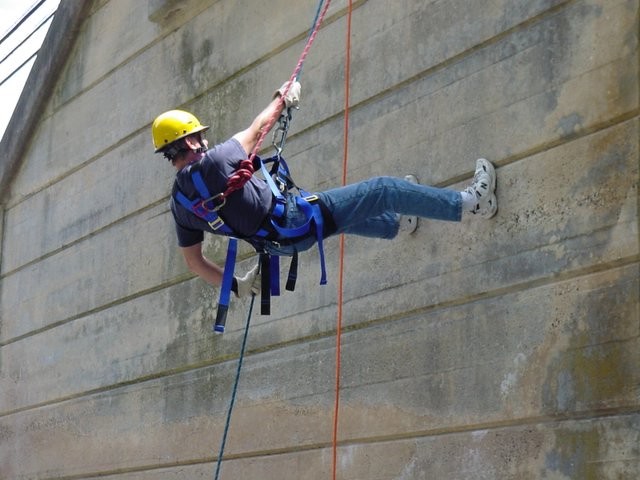
Rescue Captain Criswell half way down the wall
|
|
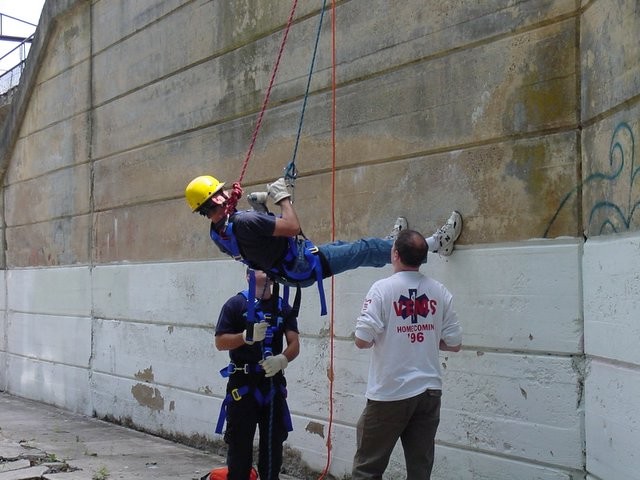
Rescue Captain Criswell tying off
|
|
| |
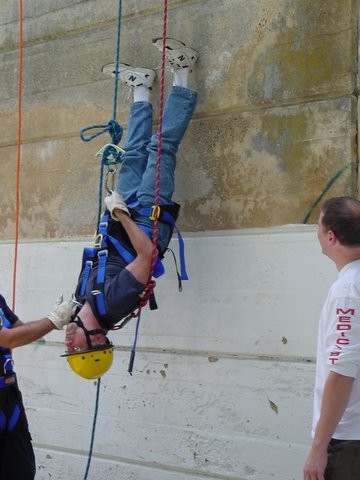
Now he's just being a showoff
|
|
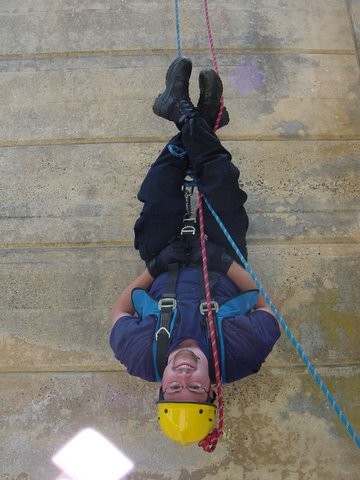
But he's not the only one
|
|
| |
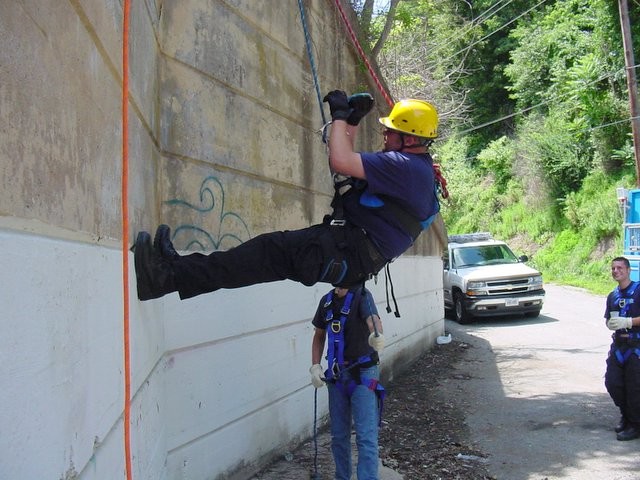
Firefighter/EMT Grossman making his decent and tying off
|
|
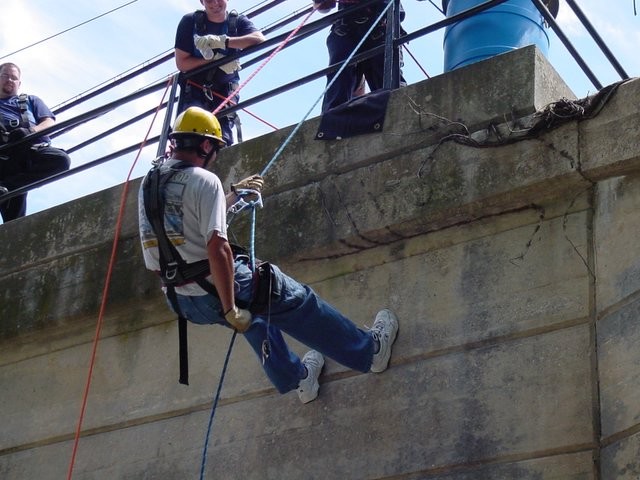
Safety Officer Pilotti begins his decent
|
|
| |
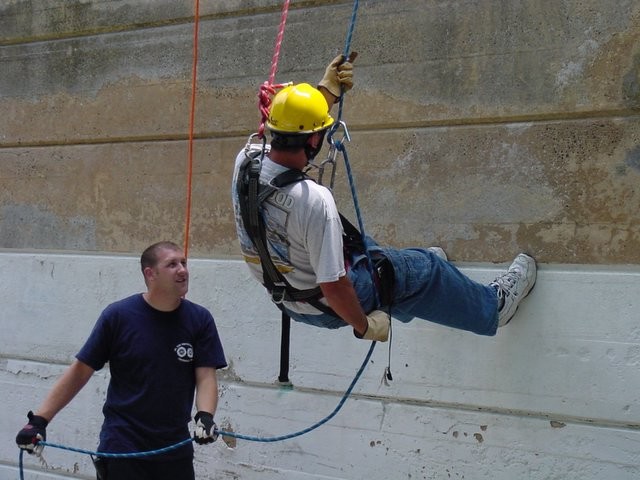
Almost down!
|
|
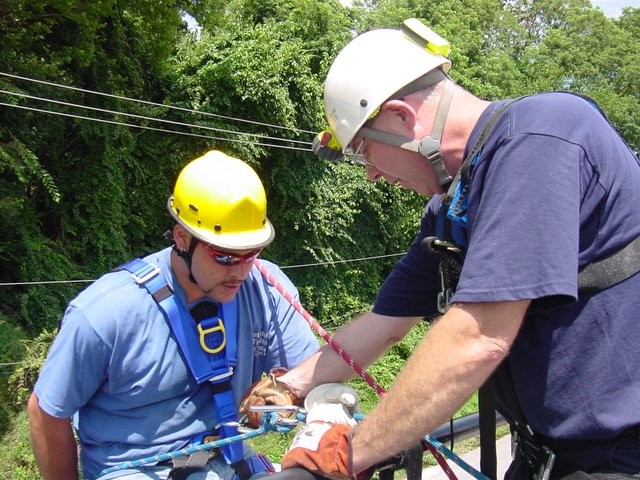
Firefighter Brandon Fryberger
|
|
| |
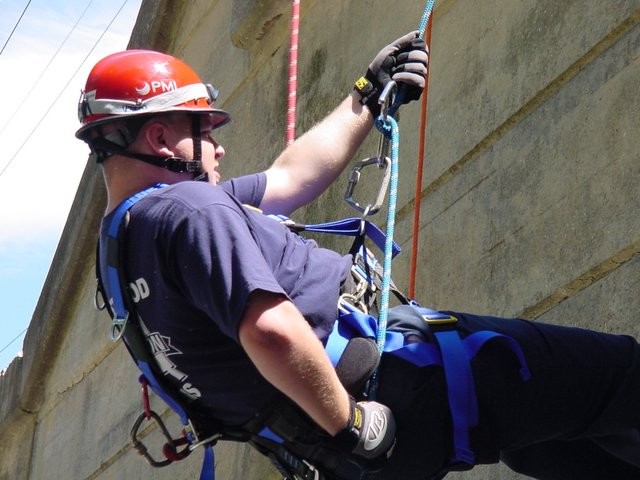
EMS Chief McWilliams on his way down
|
|
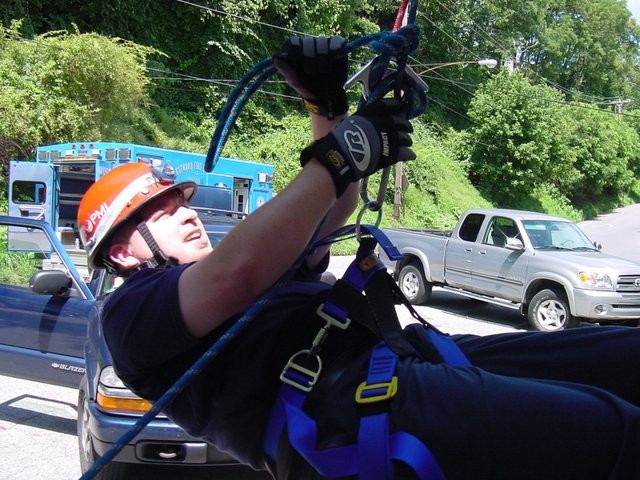
EMS Chief McWilliams ties off on the rescue eight
|
|
| |
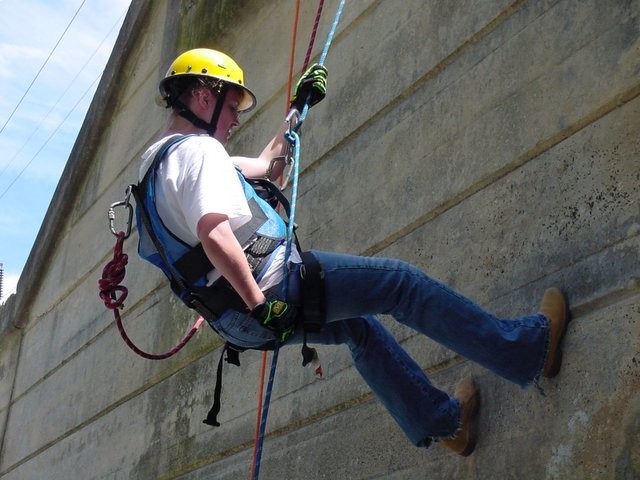
Firefighter Devine during her decent
|
|
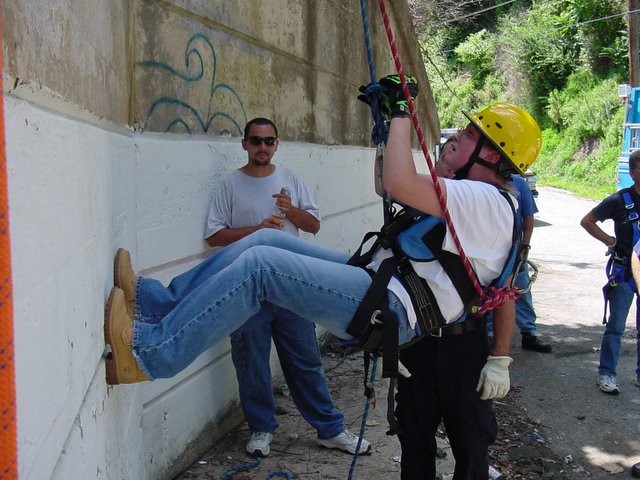
Firefighter Devine tying off
|
|
| |
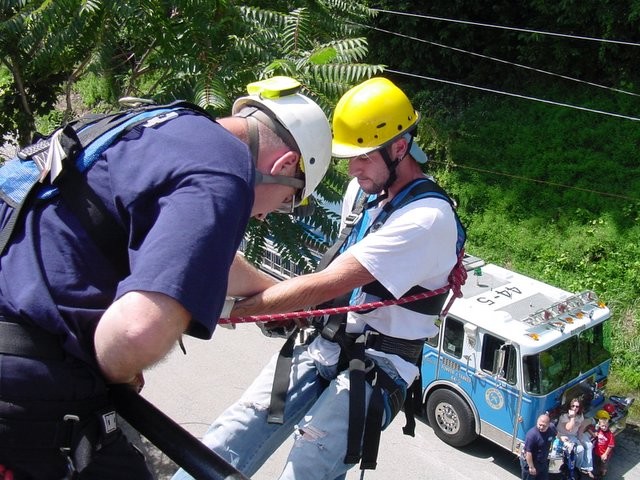
Assistant Engineer Jason Fryberger prepares to rappel from the bridge at the Coatesville Train Station
|
|
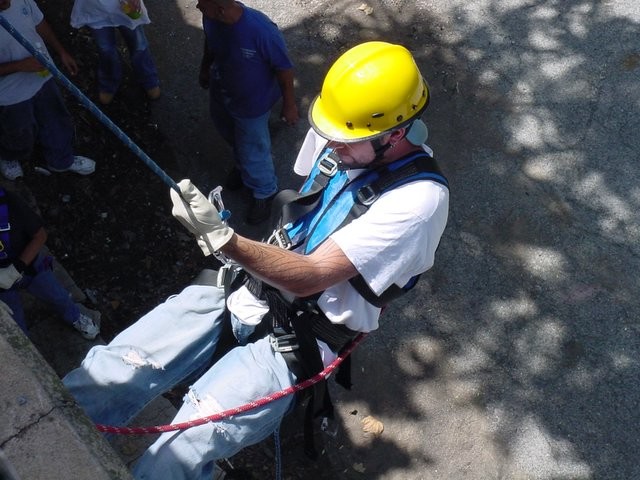
Half way down
|
|
| |
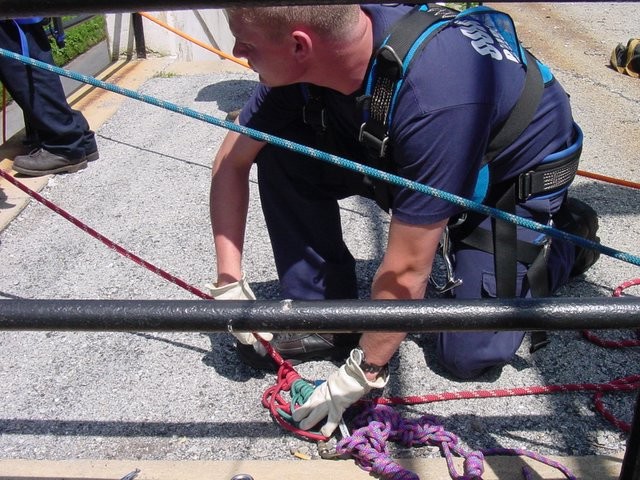
Captain Gathercole mans the safety line during the evolutions
|
|
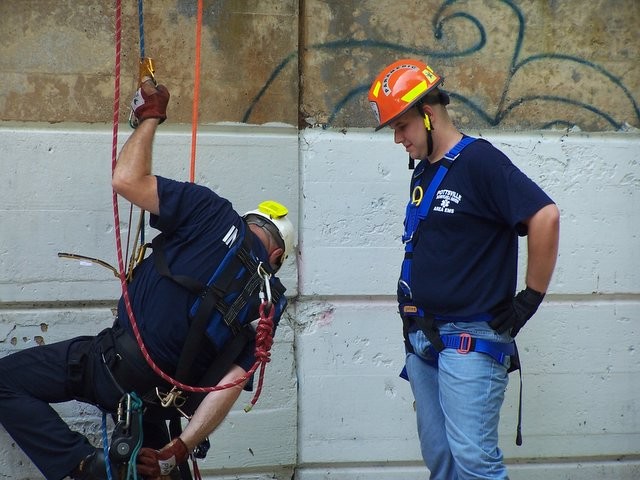
Firefighter/Paramedic Faryniak watches Instructor McGinnis demonstrating how to ascend up a line
|
|
| |
|
|
|
| |
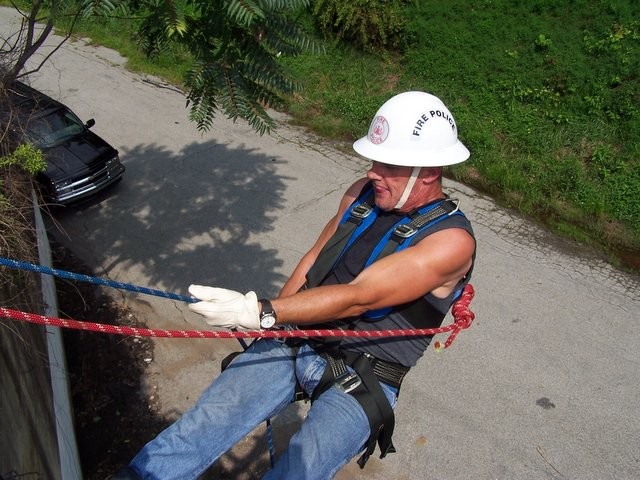
Chief Engineer Wharton begins his decent
|
|
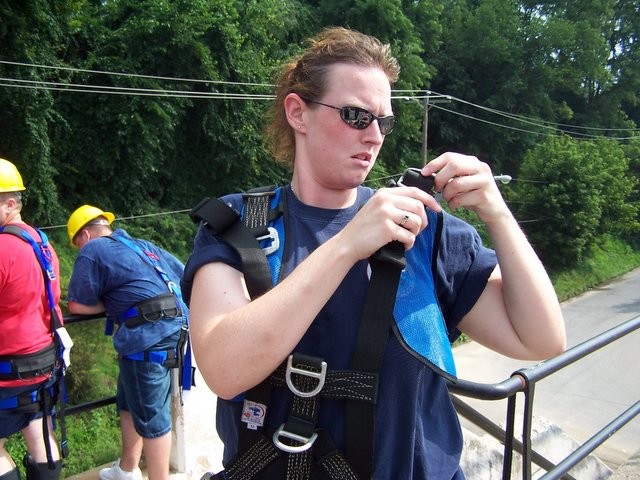
Assistant EMS Chief Gongloff dons her harness
|
|
| |
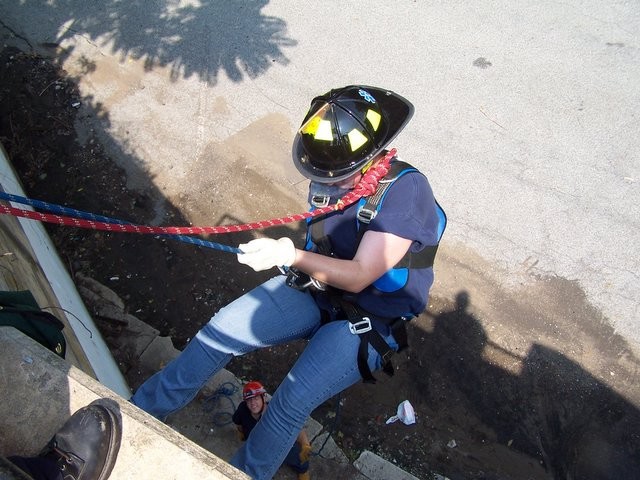
Assistant EMS Chief Gongloff rappeling down the wall
|
|
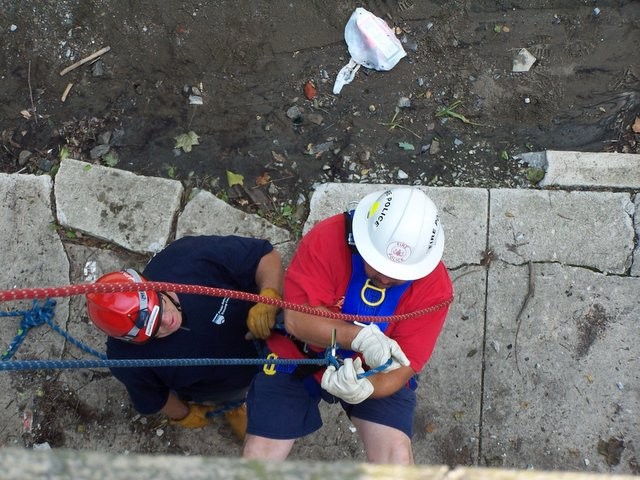
Firefighter Axe tying off during his decent
|
|
| |
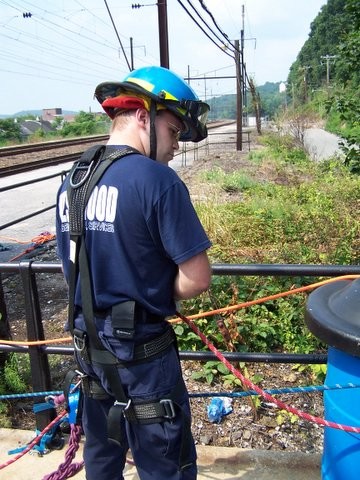
Firefighter/EMT Kellon monitoring the safety line
|
|
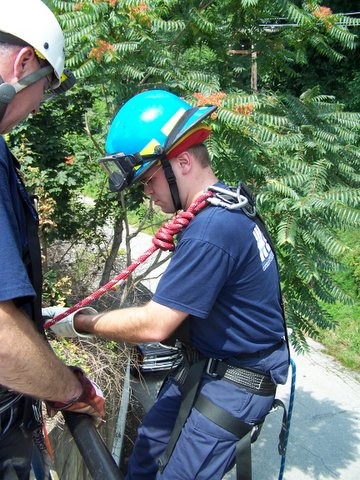
Firefighter/EMT Kellon prepares to make his own decent
|
|
| |
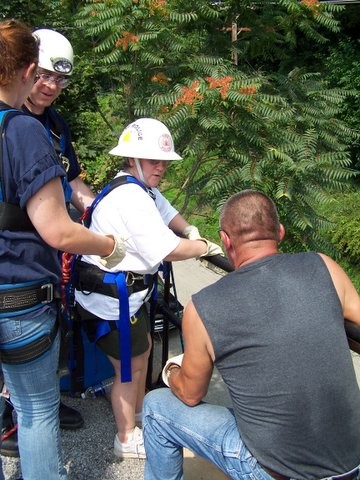
EMT Miller getting over the railing (with some help)
|
|
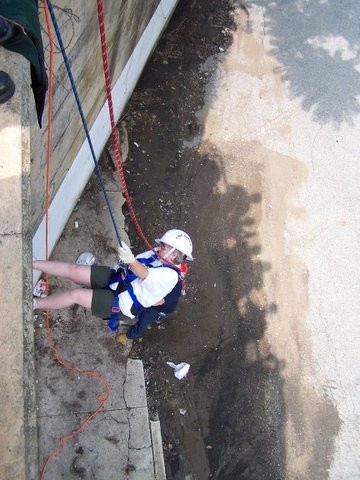
EMT Miller on her decent
|
|
| |
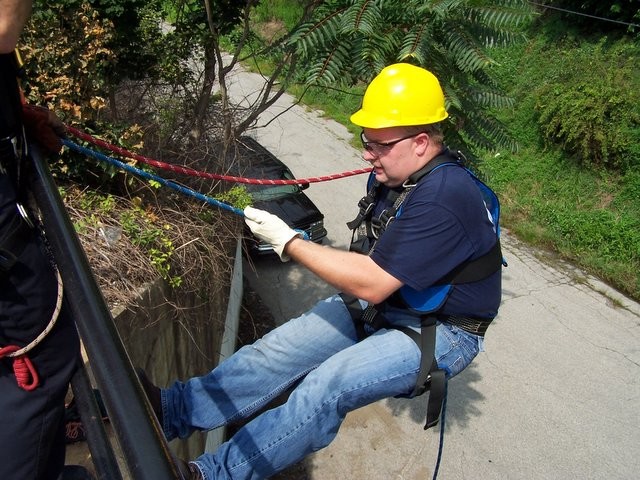
Deputy EMS Chief Biddle preparing to rappel
|
|
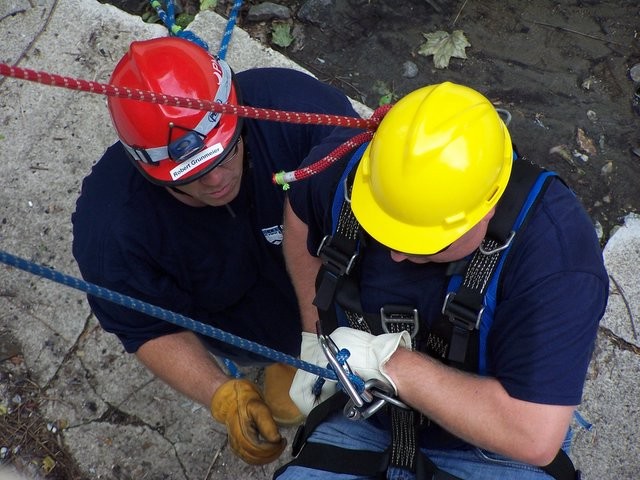
Deputy EMS Chief Biddle tying off
|
|
| |
|
|
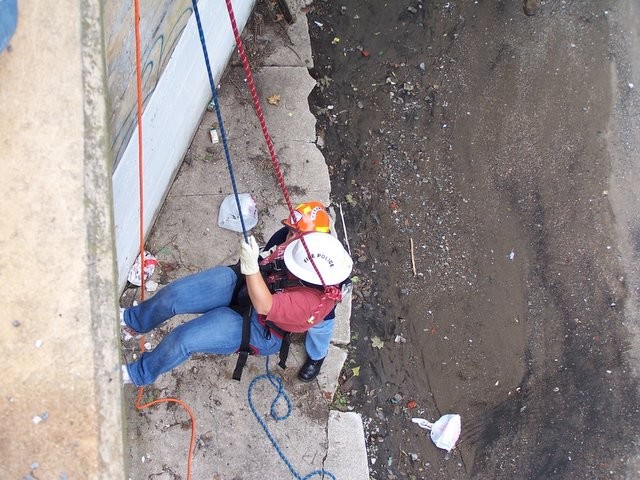
EMT Swick making her way down
|
|
| |
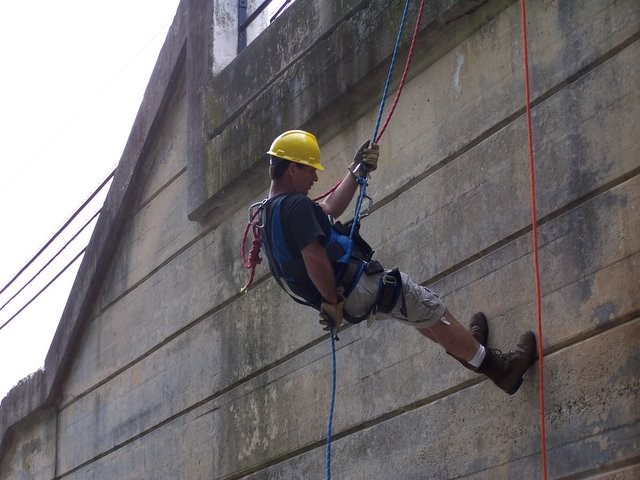
Assistant Chief Taylor rappeling
|
|
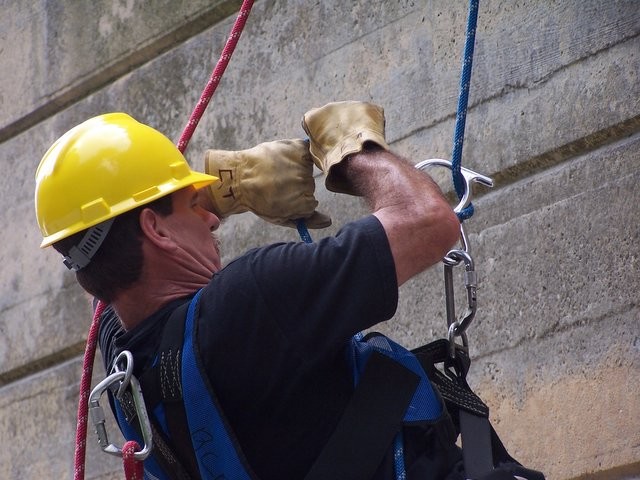
Assistant Chief Taylor tying off
|
|
| |
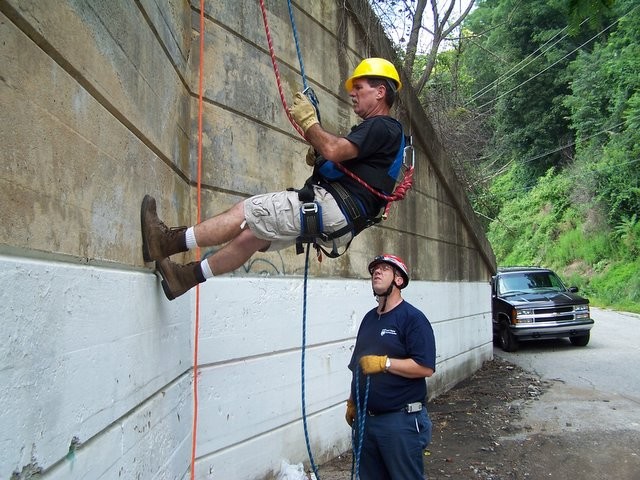
Assistant Chief Taylor after tying off
|
|
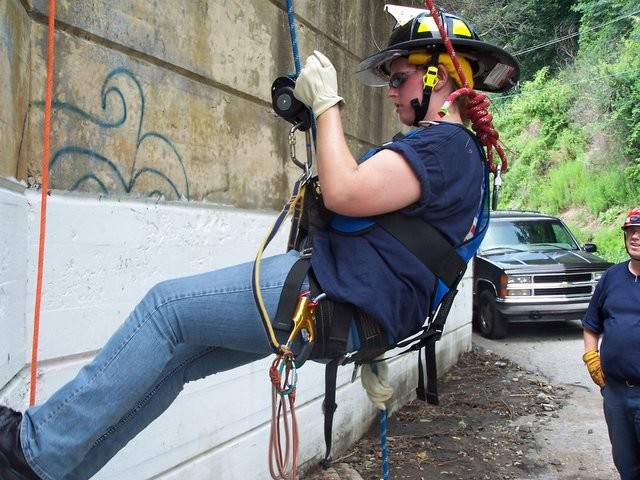
Assistant EMS Chief Gongloff preparing to ascend up the rope
|
|
| |
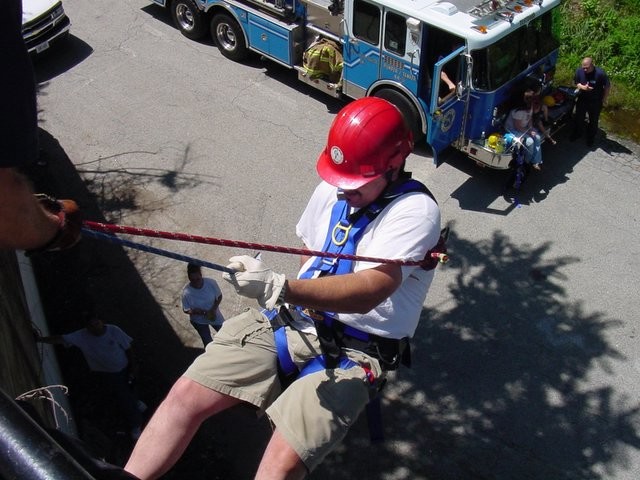
Last, but not least, Deputy Chief DiLuigi rappels down
|
|
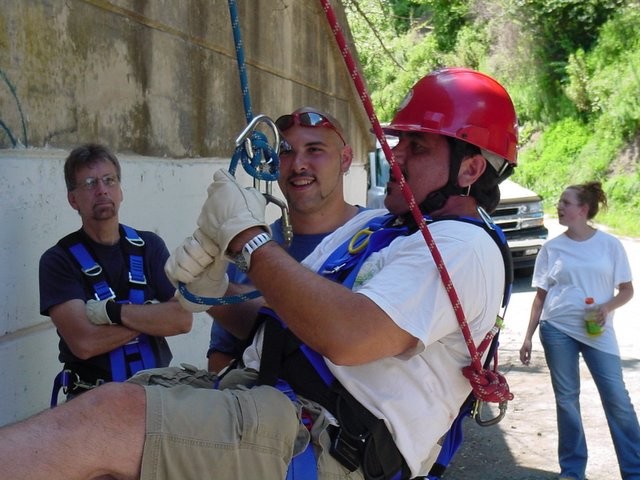
Deputy Chief DiLuigi tying off
|
|
| |
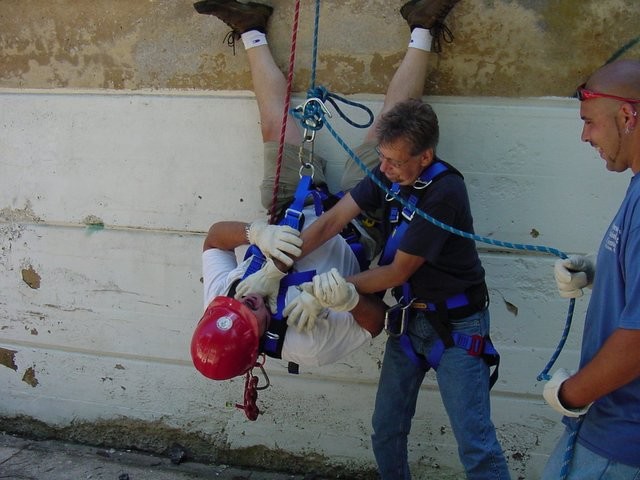
After Rescue Captain Criswell finally convinced Deputy Chief DiLuigi to rappel, he starts messing with him!
|
|
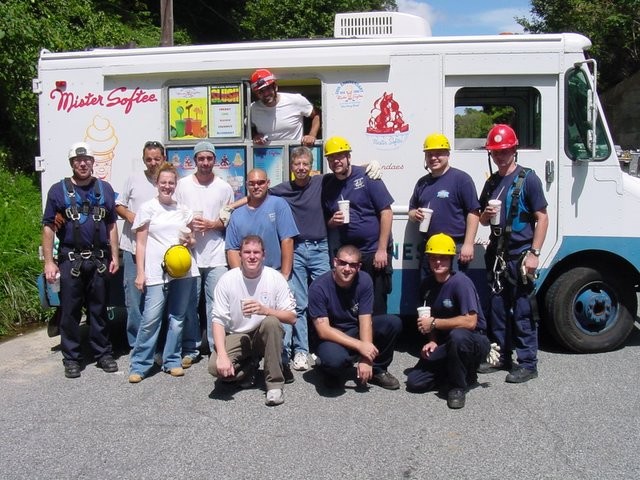
After the class was over, Chief Sly chased down (literally) the neighborhood Mr. Softee and treated the class with ice cream. We converted him to Mr. Safety with a helmet.
|
|
| |